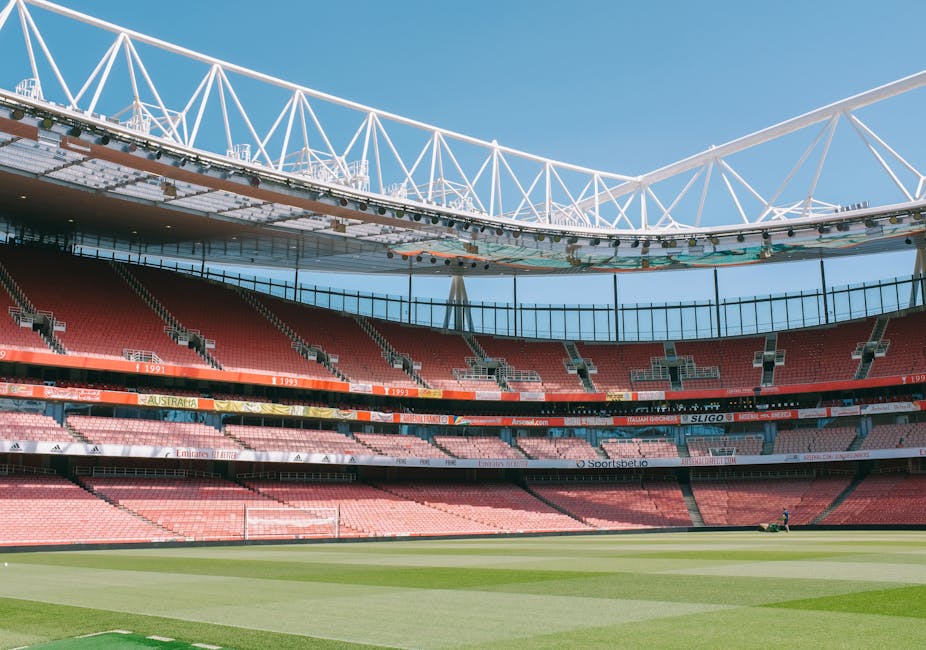
Wembley Stadium rubbish removal guide for event clear ups
If you have ever walked a venue site after the crowds have gone, you will know the feeling: paper cups underfoot, food packaging blowing across the concourse, half-full bins, cable ties, cardboard, broken signage, and that one odd chair no one seems to own. A proper Wembley Stadium rubbish removal guide for event clear ups is not just about tidying up. It is about getting the site safe, presentable, and ready for the next phase without wasting time or missing anything awkward in the corners.
This guide breaks down how event clear ups usually work, what needs to be planned in advance, where the common risks sit, and how to keep everything moving smoothly. Whether you are managing a sports fixture, concert, corporate event, or a one-off stadium activation, the basic principles are the same: clear quickly, sort properly, and leave no loose ends behind. Sounds simple. In practice, not always.
There is a right way to do it, though, and once you understand the rhythm of an event clearance, everything becomes a lot less chaotic.
Why Wembley Stadium rubbish removal guide for event clear ups Matters
Event clear ups at a large venue are not the same as a normal office tidy or domestic clearance. Wembley Stadium-scale operations bring people, vehicles, loading points, time pressure, and a lot of mixed waste into one place. If rubbish is left too long, it gets in the way of cleaning crews, slows down handover, and can make a venue look unfinished even when the event itself was a success.
There is also the simple reality that waste builds up faster than most people expect. A premium hospitality area, a backstage zone, a temporary merchandise point, and a public concourse can each generate different waste streams. You are not just dealing with general litter. You may also have cardboard, plastics, food waste, damaged furniture, fabric items, loose fixtures, and sometimes items that need extra care such as batteries or refrigeration units.
That is why planning matters. A strong clear up plan keeps the site safer, helps the next team get in without delays, and reduces the chance of missed waste that turns into an issue later. It is one of those jobs where being organised pays off twice. First in time saved, then in stress avoided.
If you are also coordinating waste across different parts of a commercial site, it can help to think beyond the event itself and look at broader support such as business waste removal and dependable waste removal planning. The right structure makes the whole operation feel less like a scramble.
How Wembley Stadium rubbish removal guide for event clear ups Works
A good event clearance usually runs in stages. The exact setup depends on the event size, what was installed, and how quickly the venue must be turned around. But the core flow is fairly consistent.
1. Pre-clearance planning
Before the last attendee has even left, the waste strategy should already be in place. That means knowing where waste points are, how crews will move through the site, which areas are priority zones, and what should be removed first. On a busy site, this is the difference between a smooth exit and a lot of standing around asking who has the key to which gate. Not ideal.
2. Segregation on site
Where possible, waste should be separated as it is collected. Mixed waste is harder to process and often slower to clear. Recyclable materials, bulky items, and any potentially hazardous waste should be identified early. This is especially useful for event furniture, packaging, and temporary fit-out materials that may be suitable for separate handling.
3. Loading and uplift
Crews then remove the waste from the site using the safest practical route. At a stadium, that may mean service entrances, service lifts, loading bays, or other access points that reduce disruption to the public-facing areas. If the site still has partial pedestrian movement or live operational zones, timing becomes even more important.
4. Sorting, transport, and disposal
Once collected, waste is taken to the appropriate transfer or treatment route. Reuse, recycling, and disposal should be considered in that order where possible. For some event types, bulky items such as temporary seating, worn signage, or damaged furniture may need specialist disposal rather than a simple skip load.
5. Final sweep and sign-off
The last stage is a proper sweep. Not a casual glance. A real final pass looking for ties, tape, broken plastics, spill residues, and anything tucked behind barriers or under staging. A venue can look clean at a distance and still have a dozen awkward bits hiding in plain sight. Ask any experienced event crew and they will tell you the same thing.
If you need specialist help with hard-to-remove items after an event, it may also be worth understanding services such as builders waste clearance for dismantled structures or office clearance for temporary back-of-house spaces and admin rooms once the event is over.
Key Benefits and Practical Advantages
When event clear ups are handled properly, the benefits are immediate and very visible. You can feel the difference on site within minutes.
- Faster turnaround: A structured rubbish removal plan gets the venue reset more quickly.
- Better safety: Loose waste, broken items, and spill-related debris can all become trip or slip hazards.
- Cleaner presentation: The venue looks professional for the next group, sponsor, crew, or audience.
- Less operational friction: Teams can move freely when walkways and service corridors are kept clear.
- Better recycling outcomes: Separating waste streams improves the chance that recoverable materials are handled properly.
- Lower stress for the event team: A clear plan means fewer last-minute decisions and fewer small disasters.
There is another advantage people overlook: a clean and methodical clear up protects reputation. In event work, reputation is everything. A neat handover after a packed night says a lot about how the event was run, even if nobody says it out loud.
For organisers managing mixed waste, there is also a practical link between clean up planning and disposal decisions. Knowing what should go in a skip, what should be removed separately, and what may need specialist handling can stop costly mistakes. A quick look at what can go in a skip can help with that early decision-making, especially where the waste is varied.
Who This Is For and When It Makes Sense
This guide is useful for anyone responsible for post-event waste at a large venue or event space. That includes event managers, stadium operations teams, facilities staff, production crews, contractors, and third-party waste coordinators.
It makes sense when:
- the event produces a high volume of mixed rubbish
- you need a quick turnaround for the next booking
- the site has multiple access zones and restricted movement
- the event used temporary structures, furniture, or equipment
- you need recycling or responsible disposal rather than simple disposal only
- you are dealing with items too bulky for standard bins
It is also relevant if the event involved catering, press areas, merchandise stalls, hospitality lounges, or backstage installations. Those spaces can create very different waste profiles, and one-size-fits-all clean up rarely works well. Truth be told, that is where many teams get caught out.
If your event has also generated items beyond general rubbish, you may need linked services such as furniture clearance, fridge and appliance removal, or even confidential shredding for paperwork and printed materials from offices, hospitality suites, or back-office areas.
Step-by-Step Guidance
Here is a practical way to approach an event clear up without losing your head halfway through.
Step 1: Map the waste zones
Start with the actual layout. Mark where waste will build up: entrances, concourses, seating areas, catering points, toilets, VIP areas, production spaces, and loading or storage zones. The better the map, the less guesswork later.
Step 2: Identify the waste types
Separate waste into sensible groups. For example:
- general litter and food packaging
- cardboard and paper
- plastics and bottles
- bulky items and damaged fixtures
- metal or timber from temporary structures
- electrical waste and batteries
- special items that may need extra handling
This matters because the wrong waste mix can slow collection and complicate disposal. A bit of sorting up front saves a lot of noise later.
Step 3: Set the removal sequence
Decide what must leave first. In many event clear ups, the priority is not the most visible rubbish but the items blocking access, creating hazards, or delaying other teams. A broken barrier in a passageway is often more urgent than a bin bag in a corner.
Step 4: Put people and routes in place
Crews need to know where to go, where not to go, and what route keeps public and staff movement safe. If there is a live handover or partial occupancy, the route plan matters even more. Nobody wants a cleaner pushing a trolley into a traffic pinch point at the wrong moment.
Step 5: Use the right removal method
Some loads are suited to direct collection, others to a skip or container system, and some to specialist disposal. The best choice depends on access, time, waste type, and the volume involved. A simple load-out may suit light mixed rubbish, while a larger event often needs a more structured disposal plan.
Step 6: Carry out a final inspection
Finish with a slow, deliberate sweep. Check under seating, behind barricades, beside temporary signage, and around catering stations. Event debris has a habit of hiding where nobody thinks to look. You will notice it the minute you are rushing.
Expert Tips for Better Results
After enough event clear ups, a few habits start to matter more than anything else.
- Plan for the end, not just the event: It sounds obvious, but many teams plan the live operation and then leave the clear up to chance.
- Put one person in charge of waste decisions: Too many voices create delays. One lead keeps the process sane.
- Keep bulky waste separate: Large items like broken tables, temporary counters, or damaged displays can derail a quick sweep if they are left until last.
- Allow time for the awkward stuff: Tape, cable ties, clips, and loose fixings always take longer than people think.
- Do not treat recycling as an afterthought: If the site is set up well, recovery can be built into the clear up instead of added on top.
- Check access before the event ends: The best clear up crews are the ones who know which door, gate, or lift actually works before the pressure starts.
A small operational habit can save a lot of trouble: keep a waste hold area near the service route so crews have somewhere to stage items before uplift. That alone can reduce clutter during the busiest part of the clear up.
And if there is a mix of hospitality equipment or leftover fixtures, it can be useful to compare handling routes before the night begins. Items such as soft seating, tables, or mattresses are usually better managed through specific services like mattress and sofa disposal rather than being left in the general waste stream.
Common Mistakes to Avoid
Most event clear up problems are not dramatic. They are small misses that stack up.
Leaving sorting until the very end
If everything is thrown into one pile and sorted later, the job becomes slower and messier. It also increases the chance of recyclable materials being lost in the mix.
Underestimating access constraints
A route that looks fine on paper may not work once crowds, barriers, and vehicles are all in play. Always sense-check the route with the live layout in mind.
Ignoring hazardous items
Event spaces can contain cleaning chemicals, batteries, damaged electrical items, sharps, or pressurised containers. These should never be treated like ordinary rubbish. If anything looks questionable, set it aside and handle it properly.
Forgetting the hidden spots
Under seats, behind temporary walls, in storage corners, under tables, and beside catering units are all classic places for missed waste. It happens. Often.
Not checking the final handover standard
If the venue expects a specific finish, confirm it before work starts. "Looks clean" and "passed handover" are not always the same thing.
One very ordinary but costly mistake is failing to separate business documents or printed materials from ordinary waste. If your event includes office or admin areas, a service such as office clearance can support a cleaner and more controlled handover.
Tools, Resources and Recommendations
You do not need a complicated toolkit, but you do need the right basics.
- durable sacks and sacks for mixed light waste
- carts or trolleys for heavy movement
- gloves and appropriate PPE
- barrier tape and signage for safe zones
- labelled containers for sorting
- spill kits for drinks, catering mishaps, or broken containers
- flashlights for low-light final sweeps
- contact sheets for the onsite lead, loading team, and venue ops
For larger clear ups, it can also help to have a simple waste matrix before the event starts: what waste you expect, where it will go, who handles it, and what gets escalated. Nothing fancy. Just useful.
If you are trying to decide whether a particular item should be treated as recyclable, reusable, or removed as mixed waste, recycling and sustainability guidance is a good place to keep your thinking aligned with responsible disposal. It is one of those pages you read once, then keep coming back to when the pile gets weird.
Law, Compliance, Standards, or Best Practice
For event rubbish removal, compliance is mostly about handling waste responsibly, keeping people safe, and using reputable carriers and disposal routes. The exact legal duties vary depending on the waste type and the role you are playing, so it is sensible to treat this area carefully rather than casually.
In practice, best results usually come from a few simple standards:
- keep waste from becoming a trip, fire, or access hazard
- separate special waste from ordinary rubbish where needed
- use a provider with appropriate insurance and safety procedures
- avoid mixing potentially hazardous items with general waste
- keep clear records and agreed handover notes for the job
It is also wise to make sure any contractor has suitable safety arrangements and understands venue-specific rules. Sites like stadiums are not forgiving places for guesswork. Access permissions, timing windows, and loading routes can change quickly.
If your team wants to review how a provider approaches safety and trust, the pages on health and safety policy, insurance and safety, and payment and security are useful signals to check before booking. For some organisations, it is also reassuring to know how complaints are handled and how the business presents itself through about us information. Small things, but they matter.
Options, Methods, or Comparison Table
The right removal method depends on the event size, waste mix, access, and urgency. Here is a simple comparison to help you think it through.
| Method | Best for | Strengths | Limitations |
|---|---|---|---|
| Direct event waste collection | Fast clear ups with mixed light rubbish | Quick, flexible, minimal holding time | Less ideal for bulky loads or highly separated waste streams |
| Skip-based removal | Large volumes of general event waste | Good for staged loading and predictable volumes | Needs room, access, and awareness of what can go in a skip |
| Specialist item removal | Furniture, appliances, and unusual items | Safer for awkward, heavy, or regulated items | May require more planning and separate booking |
| Mixed commercial clearance | Back-of-house spaces after major events | Handles a broad waste mix efficiently | Needs clearer sorting decisions at source |
If you are dealing with temporary room set-ups, storage spaces, or event admin areas, services such as house clearance or home clearance are not the obvious fit for a stadium. But the idea behind them matters: a full, organised clear out is always easier than trying to nibble away at the waste one bag at a time. Same principle, different setting.
Case Study or Real-World Example
Picture a large evening event finishing late on a windy Wembley night. The crowd has gone, the catering teams are packing down, and the first sweep has already filled several sacks with cups, napkins, food trays, and promotional material. Then the real stuff starts appearing: broken signage, folded cardboard, abandoned back-of-house supplies, and a few bulky items from a temporary hospitality setup.
In a situation like that, the most effective approach is usually to divide the site into zones. One small team handles the public areas, another manages service corridors, and a third takes the bulky items toward the loading route. The clear up lead keeps track of what is leaving, what is waiting, and what needs separate handling.
That kind of structure avoids the classic bottleneck where everyone ends up standing by the same doorway with too many bags and not enough direction. You can almost hear the sighs when that happens. Better not.
By the time the final sweep is done, the site should feel calm again. Not perfect in a glossy-magazine way. Just clean, safe, and ready. That is the real win.
Practical Checklist
Use this checklist before, during, and after event clear up:
- confirm the event waste zones and access routes
- assign one clear waste lead for the operation
- identify general waste, recycling, bulky items, and special waste
- prepare sacks, trolleys, PPE, and labels
- make sure the loading route is safe and usable
- separate awkward or hazardous items immediately
- keep a holding area for staged waste if needed
- complete a final sweep of hidden corners and under seating
- check that all temporary materials have been removed
- confirm handover standards before signing off
- review what slowed the clear up and note improvements for next time
If you want a broader operational reference for planning different types of load, the site's pricing and quotes page can also help you think about scope before you commit to a method, especially when comparing a quick uplift with a more structured clearance.
Conclusion
A successful Wembley Stadium rubbish removal guide for event clear ups is really about control. Control of timing, waste types, access routes, and the last detail at the end of the night. Get those parts right and the whole process becomes calmer, quicker, and far more professional.
The big lesson? Do not leave the clear up to the final twenty minutes. By then, you are already late. Plan early, keep the waste stream simple where you can, and use the right removal method for the job in front of you. It sounds basic, but basic done well is what keeps big events running smoothly.
If you are organising a stadium or venue clear up and want a straightforward, reliable approach, it is worth speaking with a team that understands event waste, safety, and the pressures of working to a deadline. Small decisions made early can save a lot of messy work later. And that is often the difference between a rushed exit and a proper handover.
Get a free quote today and see how much you can save.
Sometimes the best event finish is the one nobody notices, because everything is already back in order.
Frequently Asked Questions
What is included in a Wembley Stadium event rubbish removal service?
It usually includes collection and removal of general event waste, packaging, food-related rubbish, bulky items, and any other agreed materials from the venue or event areas. The exact scope depends on the event and access conditions.
How quickly can event clear up waste be removed after a stadium event?
That depends on access, volume, and site rules. In many cases, removal begins as soon as safe access is available after the event ends, but a clear plan should be agreed in advance.
Do I need to sort waste before the clear up starts?
It helps a lot. Sorting waste into general, recyclable, bulky, and special categories makes the clear up faster and reduces the chance of unnecessary handling later on.
Can bulky furniture or temporary event items be taken away too?
Yes, in many cases. Items such as tables, chairs, counters, and other temporary fixtures can often be handled through separate clearance arrangements if they are not suitable for the general waste stream.
What should happen to food waste after a big event?
Food waste should be handled in line with the waste plan for the venue and the disposal route available. Keeping it separated from recyclable and bulky materials usually makes the process cleaner and more efficient.
Is skip hire or man-and-van collection better for event clear ups?
It depends on access, time, and waste type. Skips work well for staged loading and larger volumes, while man-and-van style removal is often better for speed, flexibility, and more immediate uplift.
What if the event creates mixed waste with recycling and general rubbish together?
That is very common. The best approach is to separate what can be separated safely at source, then manage the remaining mixed waste as efficiently as possible.
Are hazardous items handled differently?
Yes. Anything that may be hazardous, such as certain batteries, chemicals, or damaged electrical items, should be set aside and handled separately. Never put questionable items into ordinary waste without checking first.
How do I make sure the clear up meets venue standards?
Agree the standard before work starts, including final sweep expectations, access routes, and who signs off the area. That way, nobody is guessing at the end of the night.
Can event waste removal help with recycling targets?
Yes, if the waste is planned properly. Separating recyclable materials early gives you a better chance of improving recovery and reducing unnecessary disposal of recoverable items.
What is the biggest mistake people make with stadium clear ups?
The biggest mistake is underestimating how much time the final clean down takes. The last 10 percent of waste can take disproportionately long if the site is not organised.
Where do I start if I need support with a post-event clear up?
Start by listing the waste types, the access points, the timings, and any unusual items that need separate attention. Once you have that, it becomes much easier to plan the right removal approach.